
Your Body Already Runs Hot. Georgia in July Doesn’t Care.
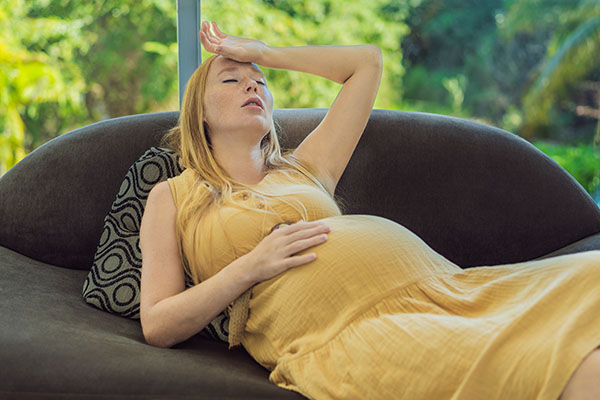
There is a particular kind of exhaustion that belongs exclusively to pregnant women in a Georgia summer. It’s not the general heat fatigue that everyone around you is complaining about — it’s something more intense, more immediate, and more deserving of your full attention. The woman who was perfectly comfortable at 78 degrees three months ago is now sweating through her shirt at 70. The afternoon walk she used to enjoy has become genuinely difficult. The car feels like a furnace before the AC has a chance to catch up.
None of this is in her head. Pregnancy raises a woman’s core body temperature — a physiological reality that puts expectant mothers in a different category from everyone else when summer arrives in North Georgia. Understanding why this happens, what it means, and how to protect yourself through July and August is not alarmist. It is genuinely important.
At North Pointe OB/GYN Associates, our physicians and certified nurse-midwives care for expecting mothers across Cumming, Forsyth County, Alpharetta, Milton, Dawsonville, and the surrounding North Georgia communities. Summer pregnancy is a topic we discuss with our patients every year — and every year, it’s a conversation worth having again.
Why Pregnancy Makes Heat Harder
The short answer is that your body is doing far more work than usual, and that work generates heat. Blood volume increases by roughly 40 to 50 percent during pregnancy to support the placenta and developing baby. Your heart rate rises to move that additional volume. Your metabolic rate climbs. All of this generates internal heat that your body must continuously work to dissipate — and it does so primarily through sweating.
The result is that a pregnant woman’s heat tolerance is genuinely diminished compared to her non-pregnant baseline. She reaches her thermal limit faster, sweats more, and is more vulnerable to the consequences of overheating. In Georgia’s summer heat — where July temperatures routinely exceed 90 degrees and humidity compounds that significantly — this matters in ways that deserve careful attention.
The risks associated with overheating in pregnancy go beyond discomfort. Elevated core body temperature, particularly in the first trimester when fetal neural tube development is occurring, has been associated with an increased risk of neural tube defects. In later pregnancy, significant overheating can trigger preterm labor contractions, increase the risk of dehydration-related complications, and in cases of heat exhaustion, reduce blood flow to the placenta. These are not common outcomes, but they are preventable ones.
Hydration Is the Non-Negotiable
Every conversation about summer pregnancy starts and ends with water, and for good reason. The increased blood volume of pregnancy demands significantly more fluid intake than your pre-pregnancy baseline — current recommendations generally suggest at least 8 to 10 cups of water daily for pregnant women, with more required on hot days or during physical activity. Dehydration in pregnancy is not just uncomfortable; it can trigger Braxton Hicks contractions, reduce amniotic fluid levels, cause maternal dizziness and headache, and in more severe cases, contribute to preterm labor.
Practical guidance for North Georgia summers: keep water with you constantly, not just during activity. If you’re spending time outdoors, increase your intake proactively rather than waiting for thirst — thirst is already a sign of mild dehydration. Avoid sugary drinks, excessive caffeine, and alcohol (which should be avoided entirely during pregnancy) as they promote fluid loss rather than hydration. Electrolyte-containing beverages can supplement water intake on particularly hot or active days, but choose options low in sugar and verify ingredients are safe during pregnancy with your provider.
Safe Exercise When It’s Sweltering
One of the most common questions we hear from pregnant patients in summer: can I still exercise? The answer is yes — with modifications. Regular physical activity during pregnancy has significant documented benefits for both maternal and fetal outcomes. Georgia heat does not eliminate those benefits; it changes how and when you pursue them.
Guidelines for exercising safely during a North Georgia summer pregnancy:
- Timing matters: Morning exercise before 9 a.m. or evening activity after 7 p.m. keeps you out of peak heat hours. Midday outdoor exercise in July should be avoided during pregnancy.
- Indoor alternatives are valid: Air-conditioned walking, prenatal yoga, pool exercise, and low-impact gym workouts are all excellent options that don’t require braving the heat.
- Swimming is ideal: Water provides natural cooling and supports the additional weight of pregnancy, reducing joint stress. It is one of the safest and most comfortable forms of summer exercise for pregnant women.
- Monitor your body: Shortness of breath, dizziness, headache, chest pain, or decreased fetal movement during or after exercise are all reasons to stop immediately and contact your provider.
- Dress strategically: Loose, light-colored, moisture-wicking fabrics make a meaningful difference in how your body handles exertion in heat.
Warning Signs That Require Prompt Attention
The difference between normal pregnancy discomfort in the heat and a situation requiring medical evaluation is something every expectant mother in Cumming and North Atlanta should understand clearly.
Heat exhaustion during pregnancy presents as heavy sweating, weakness, cold and clammy skin, nausea, and lightheadedness. It requires moving to a cool environment immediately, lying down, drinking cool fluids, and calling your obstetric provider. Heat stroke — characterized by a high body temperature above 103°F, hot dry skin, rapid strong pulse, and confusion — is a medical emergency requiring immediate emergency care.
Contact North Pointe OB/GYN promptly if you experience: significant decrease in fetal movement on a hot day, preterm contractions (regular tightening before 37 weeks), signs of dehydration that don’t resolve with increased fluid intake, dizziness or fainting, or persistent headache that does not respond to hydration and rest.
The Practical Summer Pregnancy Toolkit
Beyond hydration and exercise modification, a few practical habits make Georgia summer pregnancy significantly more manageable:
- Keep your home and car cool, and give the car time to air out before getting in — a parked car in July sun can exceed 130 degrees internally within minutes
- Use a cooling towel or portable fan during outdoor activities
- Wear breathable footwear with room for swelling, which increases in heat
- Elevate your legs when resting to reduce edema, which intensifies in summer heat
- Schedule outdoor activities and errands during cooler parts of the day
- Apply broad-spectrum SPF 30 or higher sunscreen — skin sensitivity often increases during pregnancy, and UV exposure contributes to both overheating and melasma
We’re Here All Summer
Summer pregnancy in North Georgia is manageable — millions of Georgia women have navigated it beautifully. What makes the difference is having a care team that treats the practical realities of the season as part of the conversation, not a footnote.
The physicians, nurse-midwives, and women’s health specialists at North Pointe OB/GYN Associates are here for every appointment, every question, and every concern that comes up between visits. We’re located at 1800 Northside Forsyth Drive, Suite 350, on the Northside Hospital-Forsyth campus in Cumming. Call us at (770) 886-3555 to schedule your prenatal visit — and bring your July questions. We’ve heard them all, and we’re glad you asked.