
What Every Woman Should Know About Cervical Health — HPV, Pap Smears, and Why Screenings Save Lives
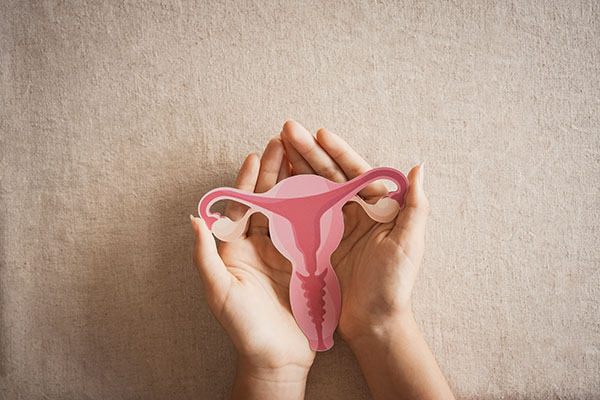
Cervical cancer is one of the most preventable cancers in existence — not because it doesn’t develop, but because the tools to catch and eliminate its precursor cells before they become cancer are both highly effective and widely available. This is Gynecologic Cancer Awareness Month, and at North Pointe OB/GYN Associates, we want every woman in the Cumming, Alpharetta, and Forsyth County community to understand what cervical cancer screening actually involves and why staying current with it matters.
HPV Is Almost Always Involved — and Most People Have It at Some Point
Human papillomavirus (HPV) is the most commonly sexually transmitted infection in the United States. An estimated 80 percent of sexually active people will have HPV at some point in their lifetime. Most HPV infections resolve on their own, cleared by the immune system without the person ever knowing they were infected.
What makes certain strains of HPV significant — specifically HPV types 16 and 18 — is their potential, in a small percentage of cases, to persist in the cells of the cervix and eventually cause cellular changes that, if undetected, can progress to cervical cancer over a period of years to decades.
This slow progression is precisely what makes cervical cancer screening so powerful: it allows providers to identify those cellular changes at the precancerous stage, when treatment is simple, highly effective, and definitively prevents cancer from developing.
The Pap Smear — What It Actually Does
A Pap smear (Pap test) collects a small sample of cells from the cervix — the opening of the uterus — which is examined under a microscope for abnormal cellular changes. These changes (called cervical dysplasia or CIN — cervical intraepithelial neoplasia) are categorized by degree, from mild changes that often resolve on their own to more significant changes that require treatment to prevent progression to cancer.
The Pap smear catches cervical cancer in its preventable stage. It doesn’t detect most other cancers or gynecological conditions — it’s specifically and effectively designed for cervical cancer prevention.
HPV Testing — the Added Layer of Information
In addition to or instead of the Pap smear alone, HPV testing can be performed on the same sample. An HPV test identifies the presence of high-risk HPV strains. Used in combination with the Pap test (co-testing), it provides additional information about each patient’s specific cancer risk.
A negative HPV test in combination with a normal Pap result extends the recommended screening interval — because the likelihood of significant cervical cancer developing in the near term when both tests are negative is very low. This is why current guidelines allow for longer intervals between screenings for appropriately tested, low-risk patients.
The Current Screening Recommendations
Screening guidelines have evolved as evidence has accumulated:
- Ages 21 to 29: Pap smear every 3 years. HPV testing is not routinely recommended in this age group because HPV infection is very common at younger ages and usually resolves without causing long-term changes.
- Ages 30 to 65: Pap smear and HPV co-testing every 5 years (preferred), or Pap smear alone every 3 years.
- Over 65: Screening may be discontinued in women who have had adequate prior screening with consistently normal results. This decision is made individually with your provider.
These guidelines apply to women with an average risk history. Women with a history of abnormal Pap results, prior cervical treatment, HIV infection, immunocompromising conditions, or exposure to DES in utero may need more frequent screening — a plan established in conversation with your OB/GYN.
The HPV Vaccine — What It Does and Why Timing Matters
The HPV vaccine (Gardasil 9) protects against nine high-risk HPV strains — including types 16 and 18, which are responsible for approximately 70 percent of cervical cancers. The vaccine is most effective when administered before sexual activity begins, which is why it’s routinely recommended starting at age 11 to 12.
Adults through age 26 are recommended to receive the vaccine if not previously vaccinated. Shared decision-making between ages 27 and 45 allows for vaccination in some cases — those with limited prior HPV exposure may still benefit, and this conversation happens with the OB/GYN.
The vaccine doesn’t replace Pap smear screening — it substantially reduces the risk of cervical cancer developing while screening catches what the vaccine doesn’t prevent.
When Screening Detects Something Abnormal
An abnormal Pap result is not a cancer diagnosis. It’s information that guides the next step — which may be a repeat Pap in a year, an HPV test, or a colposcopy (a more detailed cervical examination performed in the office) to get a clearer look at specific areas of the cervix.
The vast majority of abnormal Pap results represent changes that resolve on their own, especially in younger women. The small percentage that represent higher-grade dysplasia are treated with procedures (LEEP, cryotherapy, or cone biopsy) that remove or destroy the abnormal cells with a very high success rate in preventing cancer development.
The most important thing we tell patients who have an abnormal result: this is exactly what screening is designed to find. The finding at this stage means the system worked.
Schedule Your Cervical Health Screening at North Pointe OB/GYN Associates
The team at North Pointe OB/GYN Associates — physicians, certified nurse-midwives, and women’s health specialists — serves women throughout Cumming, Alpharetta, Milton, Dawsonville, and the greater Forsyth County area. We are located at 1800 Northside Forsyth Drive, Suite 350, on the Northside Hospital-Forsyth campus in Cumming. We’ve been voted Best of Forsyth for nine consecutive years. Call (770) 886-3555 to schedule your appointment. If you’re due for a Pap smear or HPV test — or if you’re not sure when you were last screened — this is the call worth making.
This blog is educational. Cervical cancer screening recommendations vary by individual history. Please consult with a qualified OB/GYN for guidance specific to your situation.
Cervical cancer is one of the most preventable cancers that exists — and the women who benefit from that prevention are those who stay current with the screenings that catch what needs to be caught, when catching it makes the biggest difference.