
Bladder Leaks Aren’t Just Part of Being a Woman: Understanding and Treating Urinary Incontinence
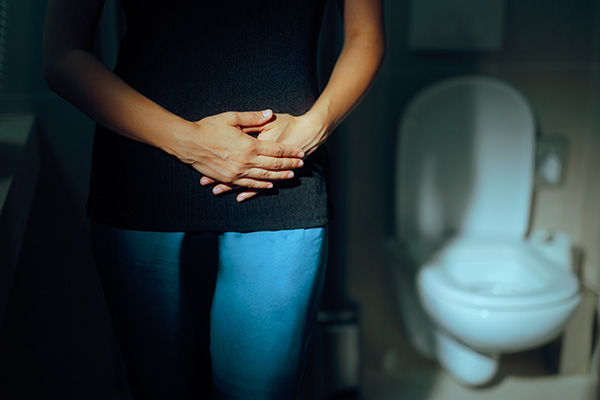
You laugh at a joke and feel a small leak. You sneeze and cross your legs just in case. You know exactly where every bathroom is located at the grocery store, your workplace, and your favorite restaurants. If any of this sounds familiar, you’re not alone—and you don’t have to accept bladder leakage as an inevitable part of life.
Urinary incontinence affects millions of women, yet many suffer in silence, too embarrassed to mention it even to their doctors. At North Pointe OB/GYN, we want you to know that bladder control problems are treatable medical conditions, not simply something to live with. Our team has helped countless women in Cumming and throughout North Atlanta regain confidence and freedom from the constant worry about leaks.
How Common Is Urinary Incontinence?
Far more common than most people realize. Studies suggest that one in three women experiences some degree of urinary incontinence during their lifetime. The condition becomes more prevalent with age, but it can affect women at any stage of life.
Despite how widespread the problem is, fewer than half of affected women ever discuss it with a healthcare provider. Many assume nothing can be done, feel too embarrassed to bring it up, or believe that bladder leakage is just a normal part of aging or having children. None of these assumptions are true.
Types of Urinary Incontinence
Understanding what type of incontinence you’re experiencing helps guide treatment. The most common types include:
Stress Incontinence: Leakage that occurs when physical activity puts pressure on your bladder—coughing, sneezing, laughing, exercising, or lifting heavy objects. This happens when the muscles and tissues supporting the bladder and urethra have weakened, often due to childbirth, aging, or hormonal changes.
Urge Incontinence: Also called overactive bladder, this involves a sudden, intense urge to urinate followed by involuntary leakage. You may feel like you can’t get to the bathroom fast enough, even if your bladder isn’t full. The bladder muscle contracts unexpectedly, often triggered by running water, cold temperatures, or arriving home (sometimes called “key-in-the-door” syndrome).
Mixed Incontinence: Many women experience both stress and urge incontinence together, with symptoms of each type.
Overflow Incontinence: Less common in women, this occurs when the bladder doesn’t empty completely, leading to frequent or constant dribbling.
What Causes Bladder Control Problems?
Multiple factors can contribute to urinary incontinence:
- Childbirth: Vaginal delivery can stretch and weaken pelvic floor muscles and damage nerves that control the bladder
- Hormonal Changes: Decreased estrogen during perimenopause and menopause affects the tissues of the bladder and urethra
- Age: Bladder muscles can weaken over time, and the bladder’s capacity may decrease
- Weight: Extra weight puts additional pressure on the bladder and pelvic floor
- Chronic Conditions: Diabetes, neurological disorders, and chronic coughing can contribute to incontinence
- Hysterectomy: Surgery involving the reproductive organs can sometimes affect supporting structures
- Certain Medications: Some drugs affect bladder function or increase urine production
When to See Your Gynecologist
Many women wait years before mentioning bladder problems to their doctor—if they mention them at all. But early intervention often leads to better outcomes, and there’s no reason to wait until symptoms significantly impact your quality of life.
Consider scheduling an appointment if you:
- Leak urine during everyday activities like coughing, sneezing, or exercising
- Feel sudden, strong urges to urinate that are difficult to control
- Need to urinate more than eight times in 24 hours
- Wake up multiple times during the night to use the bathroom
- Avoid activities you enjoy because of bladder concerns
- Wear pads or protective underwear “just in case”
- Plan your activities around bathroom access
- Feel embarrassed or anxious about potential leakage
What to Expect at Your Appointment
Talking about bladder problems might feel awkward, but the providers at North Pointe OB/GYN discuss these issues every day. We’ll ask about your symptoms, medical history, and how incontinence affects your daily life. A physical exam helps assess pelvic floor strength and identify any contributing factors.
Additional evaluation might include:
- Bladder Diary: Tracking your fluid intake, bathroom trips, and leakage episodes for a few days
- Urinalysis: Checking for infection or other abnormalities
- Post-Void Residual Measurement: Determining if your bladder empties completely
- Urodynamic Testing: More detailed tests that measure bladder function
Treatment Options That Work
The good news is that most women see significant improvement with treatment. Options range from conservative approaches to minimally invasive procedures, and your provider will work with you to develop a plan that fits your needs and lifestyle.
Pelvic Floor Exercises (Kegels): Strengthening the muscles that support the bladder and urethra can significantly reduce stress incontinence. The key is doing them correctly and consistently. Many women think they’re doing Kegels properly but aren’t engaging the right muscles. Your provider can teach you the correct technique or refer you to a pelvic floor physical therapist for guided training.
Bladder Training: For urge incontinence, gradually increasing the time between bathroom trips helps retrain the bladder and reduce urgency. This approach requires patience but can be very effective.
Lifestyle Modifications: Simple changes can make a meaningful difference:
- Maintaining a healthy weight reduces pressure on the bladder
- Limiting caffeine and alcohol, which irritate the bladder
- Staying hydrated (too little fluid actually concentrates urine and irritates the bladder)
- Quitting smoking, which contributes to chronic coughing
- Managing constipation, which puts pressure on the bladder
Medications: Several medications can help calm an overactive bladder or improve urethral closure. Your provider will discuss whether medication might be appropriate for your situation.
Vaginal Estrogen: For women experiencing incontinence related to menopause, low-dose vaginal estrogen can help restore tissue health and improve symptoms.
Pessaries: These removable devices are inserted into the vagina to support the bladder and reduce stress incontinence. They’re a non-surgical option that works well for many women.
Minimally Invasive Procedures: When conservative treatments aren’t enough, various procedures can provide longer-lasting relief. Options include injectable bulking agents, nerve stimulation therapies, and surgical interventions like sling procedures. The surgeons at North Pointe OB/GYN are trained in minimally invasive techniques that offer shorter recovery times and excellent outcomes.
You Deserve to Live Without Limits
Urinary incontinence shouldn’t dictate what activities you enjoy, what clothes you wear, or how confidently you move through your day. Too many women limit their lives—skipping exercise classes, avoiding social events, or declining travel opportunities—because of bladder concerns.
Effective treatment exists, and it starts with a conversation. The team at North Pointe OB/GYN has helped women throughout Forsyth County and the surrounding communities overcome bladder control problems and reclaim their freedom. Voted Best of Forsyth for nine consecutive years, we’re committed to providing compassionate, comprehensive care for all aspects of women’s health.
Take the First Step
If bladder leakage is affecting your quality of life, don’t wait to seek help. Contact North Pointe OB/GYN to schedule an appointment at our Cumming office. We serve women in Cumming, Alpharetta, Milton, Dawsonville, and throughout the North Atlanta area.You deserve to laugh without worry, exercise without fear, and live without constantly planning around the nearest bathroom. Let’s work together to make that happen.