What’s in Your Cup? A Pregnant Woman’s Guide to Beverages That Didn’t Make the Cut
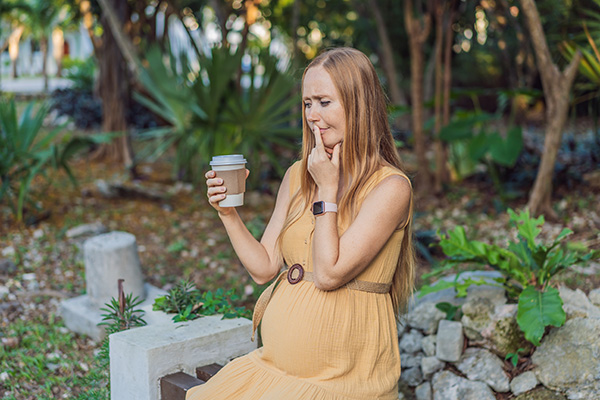
You’ve ditched the deli meat, said goodbye to sushi night, and mastered the art of asking “is this pasteurized?” at every restaurant. But when it comes to what you’re drinking, the rules can feel just as complicated as navigating a buffet at your cousin’s wedding. Some beverages are obvious no-gos, while others might surprise you—and a few fall into that frustrating “it depends” category that defines so much of pregnancy advice.
Let’s break down what shouldn’t be in your cup for the next nine months, why it matters, and some satisfying alternatives that won’t leave you feeling deprived.
The Non-Negotiable: Alcohol
We’ll start with the one everyone knows but deserves repeating: there is no known safe amount of alcohol during pregnancy. Not a sip of champagne at your best friend’s wedding. Not a splash of wine in your pasta sauce (the alcohol doesn’t fully cook out like people think). Not “just half a beer” because it’s hot outside.
Alcohol crosses the placenta freely, meaning your baby experiences the same blood alcohol concentration you do—but their tiny, developing liver can’t process it the way yours can. The risks include fetal alcohol spectrum disorders, which can cause lifelong physical, behavioral, and learning problems. Because researchers can’t ethically study how much alcohol causes harm, the medical consensus remains clear: zero is the only safe number.
The good news? The mocktail scene has exploded. Seedlip, Ritual Zero Proof, and countless other brands now make sophisticated non-alcoholic spirits that actually taste like something. Your local grocery store probably has an entire section of alcohol-free wines and beers that have come a long way from the sad options of a decade ago.
The Complicated One: Caffeine
Here’s where things get nuanced. Unlike alcohol, caffeine isn’t completely off-limits during pregnancy—but it does require some math.
Current guidelines from the American College of Obstetricians and Gynecologists suggest limiting caffeine intake to less than 200 milligrams per day. That’s roughly one 12-ounce cup of brewed coffee. Sounds simple enough, right? Here’s where it gets tricky.
Caffeine content varies wildly:
- Brewed Coffee (8 oz): 80-100 mg (but who drinks only 8 ounces?)
- Espresso (1 shot): 63 mg
- Black Tea (8 oz): 40-70 mg
- Green Tea (8 oz): 25-50 mg
- Cola (12 oz): 30-40 mg
- Energy Drinks (varies): 80-300+ mg
- Dark Chocolate (1 oz): 12 mg
That grande Starbucks coffee you grab on your commute? It contains about 310 milligrams of caffeine—already over the daily limit before you’ve even had lunch. And if you’re adding a chocolate bar for an afternoon pick-me-up, those milligrams add up fast.
High caffeine intake has been associated with increased risk of miscarriage and low birth weight. Caffeine also crosses the placenta, and your baby’s developing metabolism can’t process it efficiently, meaning it stays in their system much longer than it stays in yours.
Practical swaps: Half-caf coffee lets you keep the ritual without the full caffeine load. Herbal teas (more on which ones below) can satisfy the warm-mug craving. And if you’re a die-hard coffee lover, simply downsizing your cup can make a significant difference.
The Sneaky Ones: Certain Herbal Teas
“But it’s herbal!” doesn’t automatically mean pregnancy-safe. While many herbal teas are perfectly fine, others contain compounds that can stimulate uterine contractions, affect hormone levels, or haven’t been studied enough to know their effects on pregnancy.
Teas to avoid or limit:
- Licorice Root: Can affect baby’s brain development and has been linked to preterm birth
- Chamomile: Controversial—some practitioners say it’s fine in moderation, others recommend avoiding it, especially in the first trimester
- Peppermint: Generally safe in food amounts, but concentrated tea may relax the valve between the stomach and esophagus (not great if you’re already battling heartburn)
- Hibiscus: May affect estrogen levels and has been linked to complications in some studies
- Green Tea: Contains caffeine (count it toward your limit) and may interfere with folic acid absorption
- “Detox” or “Cleanse” Teas: Often contain senna, cascara, or other laxative herbs that can cause dehydration and electrolyte imbalances
Generally considered safe: Ginger tea (great for nausea!), rooibos, and pregnancy-specific tea blends from reputable companies that have done the research for you.
The Obvious Culprits: Energy Drinks
If the caffeine content alone weren’t enough to put energy drinks on the “skip it” list, consider what else is in that can. Most energy drinks contain a cocktail of ingredients that haven’t been studied in pregnancy—guarana (more caffeine), taurine, ginseng, and various herbal extracts with unknown effects on fetal development.
A single energy drink can contain anywhere from 80 to over 300 milligrams of caffeine, plus additional stimulants that may have synergistic effects. Some brands don’t even fully disclose their caffeine content because proprietary “energy blends” don’t require itemized labeling.
Bottom line: The combination of excessive caffeine, unregulated herbal stimulants, and sky-high sugar content makes energy drinks a hard pass during pregnancy. If you’re struggling with fatigue (and what pregnant person isn’t?), talk to your healthcare provider about safe strategies—sometimes it’s an iron deficiency or another treatable issue.
The Sugar Bombs: Sodas and Sweet Drinks
While an occasional soda won’t harm your pregnancy, making it a daily habit comes with concerns beyond just the caffeine in colas.
Excessive sugar intake during pregnancy has been linked to gestational diabetes, excessive weight gain, and potentially larger babies—which can complicate delivery. Diet sodas aren’t necessarily better; artificial sweeteners like saccharin cross the placenta, and while most are considered safe in moderation, some healthcare providers recommend limiting them.
Beyond sodas, watch out for:
- Sweetened iced teas and lemonades: Often contain as much sugar as soda
- Fruit juice: Even 100% juice is concentrated sugar without the fiber of whole fruit
- Fancy coffee drinks: That vanilla latte might have more sugar than a candy bar
- Smoothies from chains: Often loaded with added sugars, syrups, and frozen yogurt
Smarter sips: Water infused with fresh fruit, sparkling water with a splash of juice, or homemade smoothies where you control the ingredients.
The Often-Forgotten: Unpasteurized Beverages
Fresh-squeezed juice from a farmers market stand sounds wholesome and healthy, but unpasteurized juices and ciders can harbor harmful bacteria like E. coli, Salmonella, and Listeria. Your immune system is naturally suppressed during pregnancy, making you more vulnerable to foodborne illness—and these infections can have serious consequences for your baby.
This includes fresh-pressed juices from juice bars unless you confirm they’re using pasteurized ingredients or high-pressure processing (HPP). That green juice cleanse will have to wait until after delivery.
Similarly, unpasteurized (raw) milk and any beverages made with it should be avoided throughout pregnancy.
What You CAN Drink
Staying hydrated is more important than ever during pregnancy—you’re producing extra blood, amniotic fluid, and supporting a whole new circulatory system. Aim for at least 8-10 glasses of fluids daily.
Pregnancy-friendly options include:
- Water: Still the gold standard—add lemon, cucumber, or berries for variety
- Pasteurized Milk: Great source of calcium, protein, and vitamin D
- Coconut Water: Natural electrolytes without added sugars
- Pregnancy-Safe Herbal Teas: Ginger, rooibos, red raspberry leaf (in the third trimester)
- Sparkling Water: Satisfies the craving for something fizzy
- Homemade Fruit Smoothies: Control the ingredients and boost nutrition
Questions About What’s Safe? We’re Here to Help
Every pregnancy is unique, and what works for one person may not work for another. If you’re unsure whether a particular beverage fits into your pregnancy diet, don’t hesitate to ask your healthcare provider. No question is too small when it comes to your baby’s health.
At NP OBYN, we’re here to guide you through every stage of your pregnancy journey—including navigating the sometimes-confusing world of what to eat and drink. Schedule your prenatal appointment today, and let’s make sure you and your baby are getting exactly what you need.