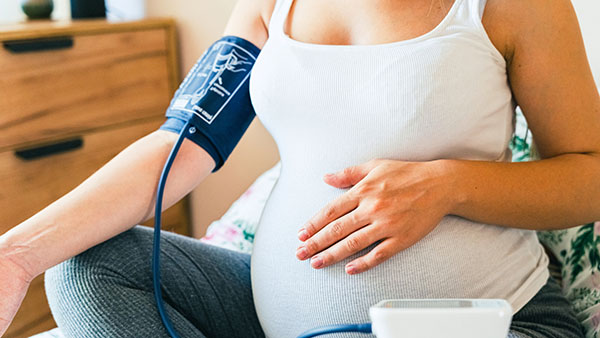
Pregnancy is an incredible journey, but let’s be honest—it’s not always comfortable. From the queasiness of early pregnancy to the backaches of the final stretch, your body works overtime to nurture new life, and that effort comes with its share of physical challenges. At North Pointe OB/GYN in Cumming, we want you to know that experiencing discomfort during pregnancy is completely normal, and more importantly, there are real strategies that can help.
Understanding what to expect at each stage—and knowing which remedies actually work—can transform your pregnancy experience. Our team of physicians and certified nurse-midwives has helped countless women throughout Forsyth County navigate these nine months with greater comfort and confidence. Here’s your comprehensive guide to the most common pregnancy discomforts and evidence-based approaches to finding relief.
First Trimester: Navigating the Early Challenges
The first twelve weeks often bring the most surprising symptoms. Your body is adapting to dramatic hormonal shifts, and these changes can affect everything from your energy levels to your digestive system.
- Nausea and Vomiting: Despite its name, “morning sickness” can strike at any hour. Keeping small, bland snacks by your bedside and eating before you even sit up can help. Ginger in various forms—tea, candies, or supplements—has solid research supporting its effectiveness. Eating smaller, more frequent meals prevents an empty stomach, which often worsens nausea. Vitamin B6 supplements may also provide relief, but check with your provider about appropriate dosing.
- Extreme Fatigue: Growing a placenta and supporting rapid fetal development requires enormous energy. Honor your body’s need for rest—this isn’t the time to push through exhaustion. Short naps, earlier bedtimes, and delegating tasks when possible all help. The good news is that energy typically rebounds significantly in the second trimester.
- Breast Tenderness: Hormonal changes cause breast tissue to grow and become more sensitive. A supportive bra—even for sleeping—can make a significant difference. Look for soft, wireless styles without underwires that might dig into sensitive tissue.
- Food Aversions and Cravings: Suddenly can’t stand your favorite foods? Intensely craving something specific? Both are normal first-trimester experiences. Focus on eating what you can tolerate while ensuring adequate hydration. If aversions make it difficult to eat a balanced diet, discuss prenatal vitamin options with your care team.
Second Trimester: The Golden Period Isn’t Always Golden
Many women find weeks 13 through 27 the most comfortable phase of pregnancy. Nausea often fades, energy returns, and the baby isn’t yet large enough to cause significant physical strain. However, new challenges can emerge as your body continues to change.
- Round Ligament Pain: Sharp, stabbing pains on one or both sides of your lower abdomen often catch women off guard. These occur as the ligaments supporting your growing uterus stretch. Changing positions slowly, supporting your belly when you cough or sneeze, and gentle stretching can minimize discomfort. While usually harmless, persistent or severe pain should always be evaluated.
- Heartburn and Indigestion: As your uterus expands and hormones relax the valve between your stomach and esophagus, acid reflux becomes increasingly common. Eating smaller meals, avoiding spicy or acidic foods, staying upright after eating, and elevating your head while sleeping all help. Many over-the-counter antacids are safe during pregnancy, but verify with your provider before taking any medication.
- Leg Cramps: Painful muscle spasms, especially at night, affect many pregnant women. Staying hydrated, stretching your calves before bed, and ensuring adequate magnesium intake may reduce frequency. When a cramp strikes, flexing your foot upward and massaging the muscle usually provides relief.
- Nasal Congestion: Increased blood volume can cause swelling in nasal passages, leaving you feeling perpetually stuffed up. Saline sprays, humidifiers, and sleeping with your head elevated can help you breathe easier without medication.
Third Trimester: The Final Stretch
The home stretch brings its own unique challenges as your baby grows rapidly and your body prepares for birth. Patience, creativity, and good communication with your healthcare team become essential.
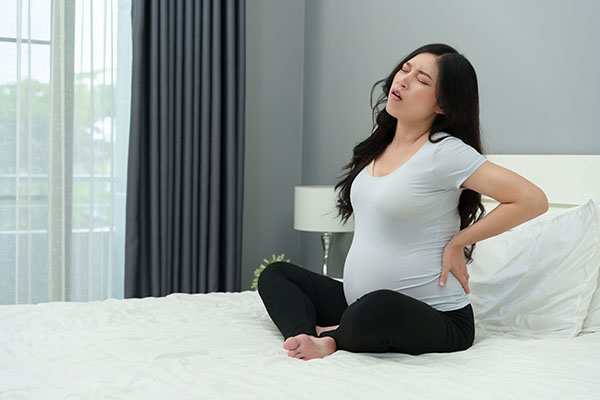
- Back Pain: As your center of gravity shifts forward, your lower back works overtime to compensate. Proper posture, supportive footwear, prenatal massage, and exercises that strengthen your core can all provide relief. A pregnancy support belt may help distribute weight more evenly. Avoid standing for prolonged periods, and when sitting, use lumbar support.
- Sleep Difficulties: Between bathroom trips, difficulty finding a comfortable position, and an active baby, quality sleep becomes elusive. Sleeping on your left side with a pillow between your knees supports optimal blood flow. Full-body pregnancy pillows can be game-changers for many women. Limiting fluids in the evening reduces nighttime bathroom visits.
- Swelling: Mild swelling in the feet, ankles, and hands is normal, especially later in pregnancy and during warmer weather. Elevating your feet, staying hydrated, reducing sodium intake, and avoiding prolonged standing help manage puffiness. However, sudden or severe swelling—especially in the face—requires immediate medical attention as it can signal preeclampsia.
- Shortness of Breath: Your growing uterus pushes against your diaphragm, making deep breaths challenging. Standing tall, sleeping propped up, and moving at a slower pace help you catch your breath. This typically improves when the baby “drops” lower into the pelvis in the final weeks.
- Braxton Hicks Contractions: These “practice contractions” cause your uterus to tighten and release, sometimes uncomfortably. They’re typically irregular and don’t increase in intensity. Changing positions, taking a warm bath, or drinking water often helps them subside. If contractions become regular or increasingly painful, contact your provider.
Discomforts That Span All Trimesters
Some pregnancy symptoms don’t respect trimester boundaries. These common concerns can appear at any point during your journey.
- Constipation: Hormonal changes slow digestive transit, and iron supplements can compound the problem. Fiber-rich foods, plenty of water, regular physical activity, and sometimes a stool softener approved by your provider keep things moving.
- Headaches: Hormonal fluctuations, dehydration, caffeine changes, and tension can all trigger headaches during pregnancy. Rest, hydration, cold compresses, and acetaminophen (when approved by your provider) usually help. Persistent or severe headaches should be evaluated promptly.
- Skin Changes: Stretching skin, hormonal shifts, and increased blood volume can cause itching, stretch marks, and changes in pigmentation. Keeping skin moisturized, staying hydrated, and wearing sunscreen help manage these changes. Intense itching, especially on palms and soles, should be reported to your healthcare team.
When Discomfort Signals Something More
While most pregnancy discomforts are normal and manageable, certain symptoms warrant immediate medical attention. Understanding the difference between typical discomfort and warning signs empowers you to seek care when it matters most.
Contact your provider or head to Northside Hospital-Forsyth right away if you experience severe abdominal pain, vaginal bleeding, sudden severe swelling (especially in your face), persistent severe headache with vision changes, decreased fetal movement, fluid leaking from your vagina, or contractions before 37 weeks that don’t stop with rest and hydration.
At North Pointe OB/GYN, we encourage you to call whenever something doesn’t feel right. Our team would rather reassure you that everything is fine than have you worry at home about a symptom that needs attention. That’s what we’re here for.
The Power of Prenatal Care
Regular prenatal visits provide the perfect opportunity to discuss the discomforts you’re experiencing and find solutions tailored to your specific situation. Every pregnancy is unique, and what works for one woman may not work for another. Our physicians and midwives take the time to understand your individual needs and preferences.
Keep a list of questions and concerns between appointments—no issue is too small to mention. Sometimes simple adjustments to diet, activity, or sleep habits make a significant difference. Other times, we might recommend specific treatments, therapies, or referrals to help you feel your best throughout pregnancy.
Experience Compassionate Pregnancy Care at North Pointe OB/GYN
Pregnancy should be a time of anticipation and joy—not one overshadowed by unmanaged discomfort. The women’s healthcare specialists at North Pointe OB/GYN are dedicated to supporting you through every phase of this remarkable journey. From your first prenatal appointment through delivery at the Women’s Center at Northside Hospital-Forsyth, we’re here to ensure you receive the attentive, personalized care you deserve.
Whether you’re newly pregnant and already battling nausea, in the thick of the third trimester and struggling with sleep, or anywhere in between, we want to help. Our Cumming office serves expectant mothers throughout Alpharetta, Milton, Dawsonville, Sugar Hill, and the greater North Georgia area.
Call North Pointe OB/GYN at 770-886-3555 to schedule your prenatal appointment. Let us help you navigate the discomforts of pregnancy so you can focus on the excitement of welcoming your new baby.